I Inherited a Vinyl Record Collection — Now What?
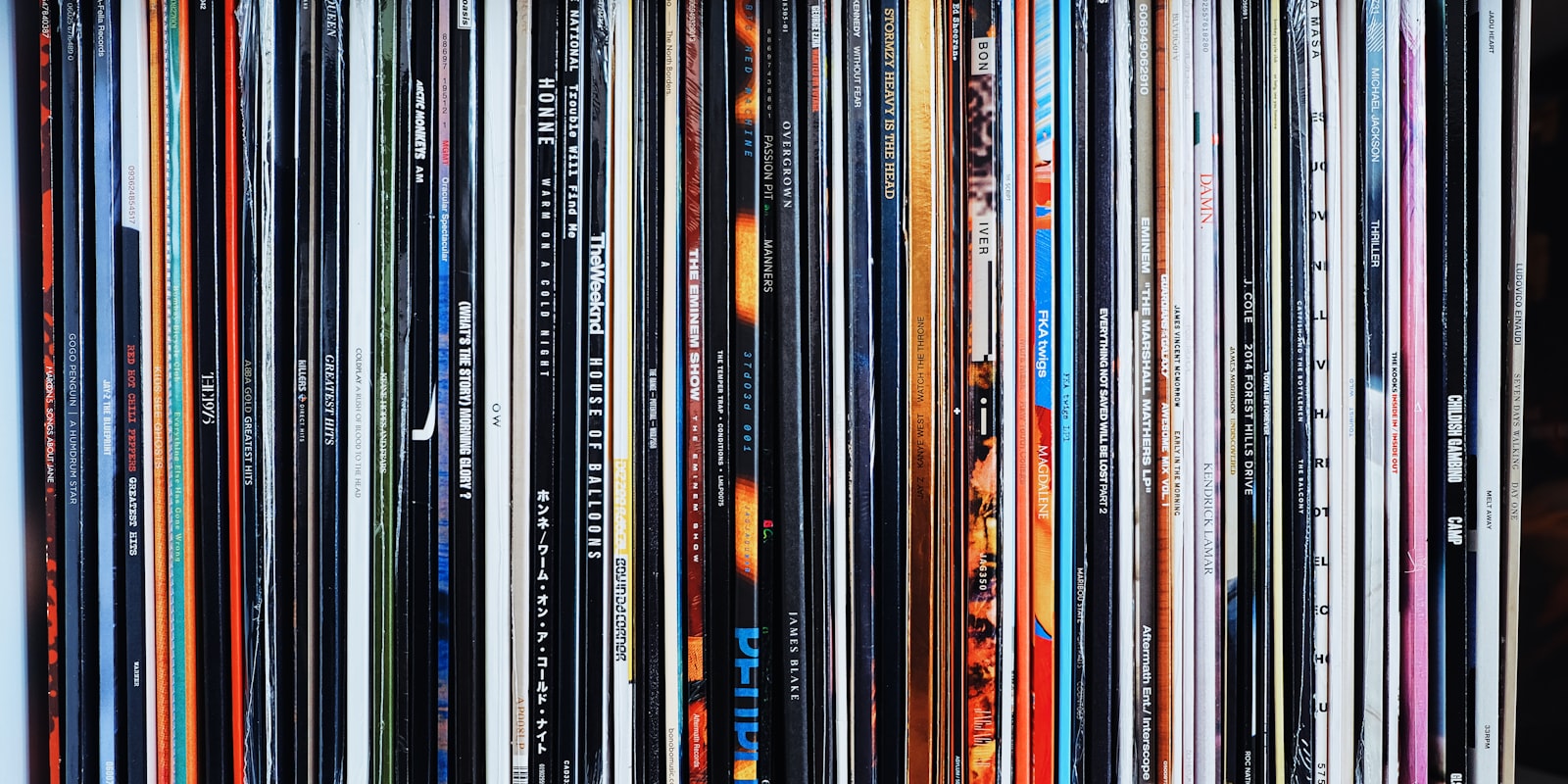
Inheriting a record collection is a strange mix of emotions. Those crates were someone's pride — decades of Saturday afternoons in record shops — and now they're in your garage, and you have no idea whether you're storing memories or money.
Here's the process families who handle this well follow, and the mistakes that cost others real value.
First: Don't Sell Anything Yet
The most expensive mistake is the first one: accepting a flat "we'll take the lot for $200" offer before knowing what's in the crates. Estate buyers and some record shops count on sellers not knowing that three records in a 400-record collection might be worth more than the other 397 combined.
The second mistake is the opposite: assuming it's all treasure. Realistically, 80–90% of a typical collection is worth a few dollars per record. The work is finding the exceptions.
Step 1: Triage the Collection (One Afternoon)
You don't need to research all 400 records. Sort into three piles:
Likely valuable — set aside: original pressings of major rock, jazz, soul, and blues artists (roughly 1955–1985); anything on Blue Note, Impulse!, Prestige, Stax, Sun; early punk and metal; records still in shrink wrap; anything that looks limited, promotional, or unusual.
Probably common:easy listening, big-band compilations, Christmas albums, classical box sets, anything with "20 Golden Hits" on the cover. Pressed in the millions.
Damaged:water damage, mold, deep scratches, missing sleeves. Value drops steeply — but check the "likely valuable" criteria first; a rare record in rough shape can still sell.
Step 2: Get Real Numbers, Not Guesses
For the set-aside pile, what matters is the exact pressing and its actual sales history — what identical copies really sold for, not what sellers hope to get. (Our guide to what makes records valuable covers this in depth.)
The traditional route is looking up each record on Discogs by catalog and matrix number. It works, but it's slow and error-prone if you've never done it — there can be dozens of versions of the same album at wildly different values.
The faster route: SnapMyRecordidentifies records from a photo of the cover or label, finds them in the Discogs database, and shows you the low, median, and high sale prices immediately — so verifying the exact version becomes a quick comparison instead of a from-scratch search. Batch scanning means a full crate takes minutes, not evenings. Several of our users came to the app in exactly this situation — one weekend, one inherited collection, finally answered. It's free to start.
Step 3: Decide — Keep, Sell Individually, or Sell as a Lot
Records worth $30+ each: list individually on Discogs. It takes a few minutes per record and you keep most of the value. (SnapMyRecord can create the Discogs listing directly from the scan — here's how selling on Discogs works.)
The common pile:sell as a lot to a local record store, or donate. Expect 30–50% of retail value from a shop — that's fair; they carry the risk and the shelf time.
The sentimental ones: keep them. A record collection is also a biography. Many families keep a shelf of the albums they remember playing and sell the rest with a clear conscience — knowing what each one was worth.
A Note on Condition
Before selling anything valuable, handle records by the edges, don't stack them flat, and keep them away from heat. If a record looks dirty, don't scrub it — a proper wet clean can help, but amateur cleaning with household products routinely ruins records worth hundreds.
The Bottom Line
An inherited collection is almost never worthless and rarely a jackpot — it's usually a few hundred to a few thousand dollars hiding in a lot of $3 records. An afternoon of triage and a scanning session will tell you which situation you're in, before anyone makes you a lowball offer.