How Much Are My Vinyl Records Worth? A Complete Guide (2026)
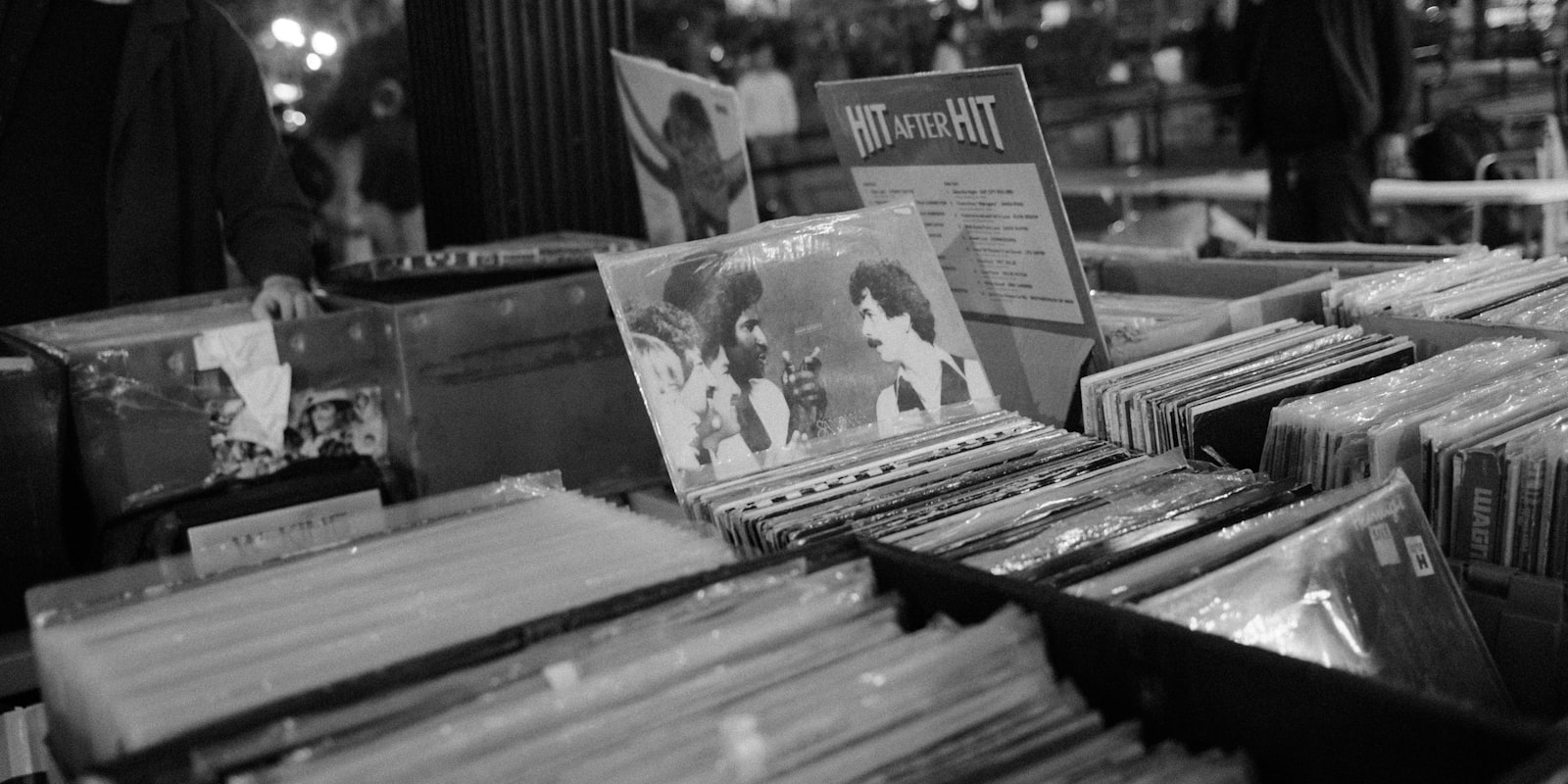
If you've just pulled a crate of records out of the attic — or you're staring at a collection you've built over decades — the first question is always the same: are any of these actually worth something?
The honest answer: most records are worth $1–10, but almost every sizable collection hides a few surprises worth $50, $100, or occasionally much more. This guide shows you how to tell the difference, using the same data professional dealers use.
What Actually Makes a Vinyl Record Valuable
Four factors drive nearly all of a record's value:
1. The pressing, not the album. This is the single biggest mistake beginners make. Abbey Roadisn't worth $400 — a specific 1969 UK first pressing in excellent condition might be, while the 1980s reissue in the same crate is worth $10. Matrix numbers (etched near the label), label design, and country of origin identify the exact pressing.
2. Condition. Collectors grade both the record (media) and the sleeve, from Mint (M) down to Poor (P). The gap is dramatic: a record worth $100 in Near Mint might fetch $15 in Good condition. Visible scratches, ring wear on the jacket, and split seams all cut value fast.
3. Scarcity and demand. Records are worth what buyers pay, and demand is measurable. Original pressings from artists with devoted collector bases (Beatles, Zeppelin, Blue Note jazz, early punk, obscure soul and funk) hold value. Common records from huge sellers — most Herb Alpert, Barbra Streisand, and easy-listening titles — were pressed in the millions and rarely exceed a few dollars regardless of age.
4. Special versions. Colored vinyl, misprints, promo copies, withdrawn covers, and limited editions can multiply value.
How to Check What a Record Sold For (Not What Sellers Ask)
Asking prices on eBay mean little — anyone can ask $500. What matters is actual sales history:
- Discogs sales data.Discogs, the world's largest music database and marketplace, shows the lowest, median, and highest price every specific pressing actually sold for. This is the reference dealers use.
- eBay sold listings.Filter by "Sold items" to see real transactions.
- Popsike aggregates historical auction results for rare records.
The hard part is step zero: identifying the exact pressing you're holding, which traditionally means deciphering matrix numbers and comparing label variations — slow work when you have 200 records.
The Fast Way: Value a Whole Collection in an Afternoon
This is exactly why we built SnapMyRecord. Instead of typing artist and album names into Discogs one by one, you photograph the record — cover or label — and the app's AI identifies it and pulls the real Discogs sales history: lowest, median, and highest sale price. Batch scanning lets you work through a full crate in one session, and if you decide to sell, the app lists records directly to the Discogs Marketplace.
It's free to try — download SnapMyRecord and scan your first records before deciding anything.
Ballpark Values by Category
| Category | Typical range |
|---|---|
| Common pop/easy listening (1960s–80s, big pressings) | $1–5 |
| Classic rock reissues | $5–15 |
| Classic rock original pressings, good condition | $15–80 |
| Collectible jazz (Blue Note, Prestige originals) | $50–500+ |
| Rare punk, soul, funk 45s | $20–1,000+ |
| Beatles first pressings, rare variants | $100–5,000+ |
These are rough guides — condition and exact pressing move every one of these numbers.
Should You Sell, Insure, or Keep?
Once you know what you have: collections worth under ~$500 usually sell best as a lot to a local record store (expect 30–50% of retail). Individual records worth $30+ are worth listing yourself on Discogs, where you keep most of the value — here's our step-by-step guide to selling on Discogs. And if the collection is worth thousands, document it — photos plus a valuation export — for insurance purposes.
Frequently Asked Questions
Are old records automatically valuable?
No. Age matters far less than pressing, condition, and demand. A 1958 easy-listening LP is usually worth less than a 1994 grunge pressing.
What's the most valuable record most people actually own?
Original pressings of major 60s–70s rock albums in clean condition. Check those first.
How do I know if mine is a first pressing?
Matrix numbers, label design, and catalog numbers, compared against the version list on the record's Discogs page. Snapping a photo with SnapMyRecord gets you to the right Discogs entry instantly, so you only have to compare versions instead of searching from scratch.